KPV 10MG

$57.00

KPV is a tripeptide fragment of α-MSH widely used in professional research for its potent anti-inflammatory and immune-modulating properties. It is commonly studied in epithelial, gastrointestinal, and dermatological inflammation models.

  • Supports studies on cytokine suppression and melanocortin-mediated immune regulation

  • Ideal for epithelial repair, mucosal healing, and GI inflammation models

  • Useful for research involving skin barrier recovery and localized inflammation

In stock

Vial Icon

Volume Discounts

Bulk Volume Discounts starting as low as 20 units per Product

beakers icon

Custom Labeling

3 Tiers of labeling: Unlabeled, Generic, and Custom Label

micro icon

Quality Guarantee

All products come with a 30-Day Quality Guarantee.

US-Based Support

US-based support available Monday - Friday 7-6pm ET

Description

Sequence: Lys–Pro–Val (C-terminal tripeptide of α-MSH)
CAS Number: 40077-57-4
Molecular Formula: C16H29N5O4
Molecular Weight: 355.43 g/mol
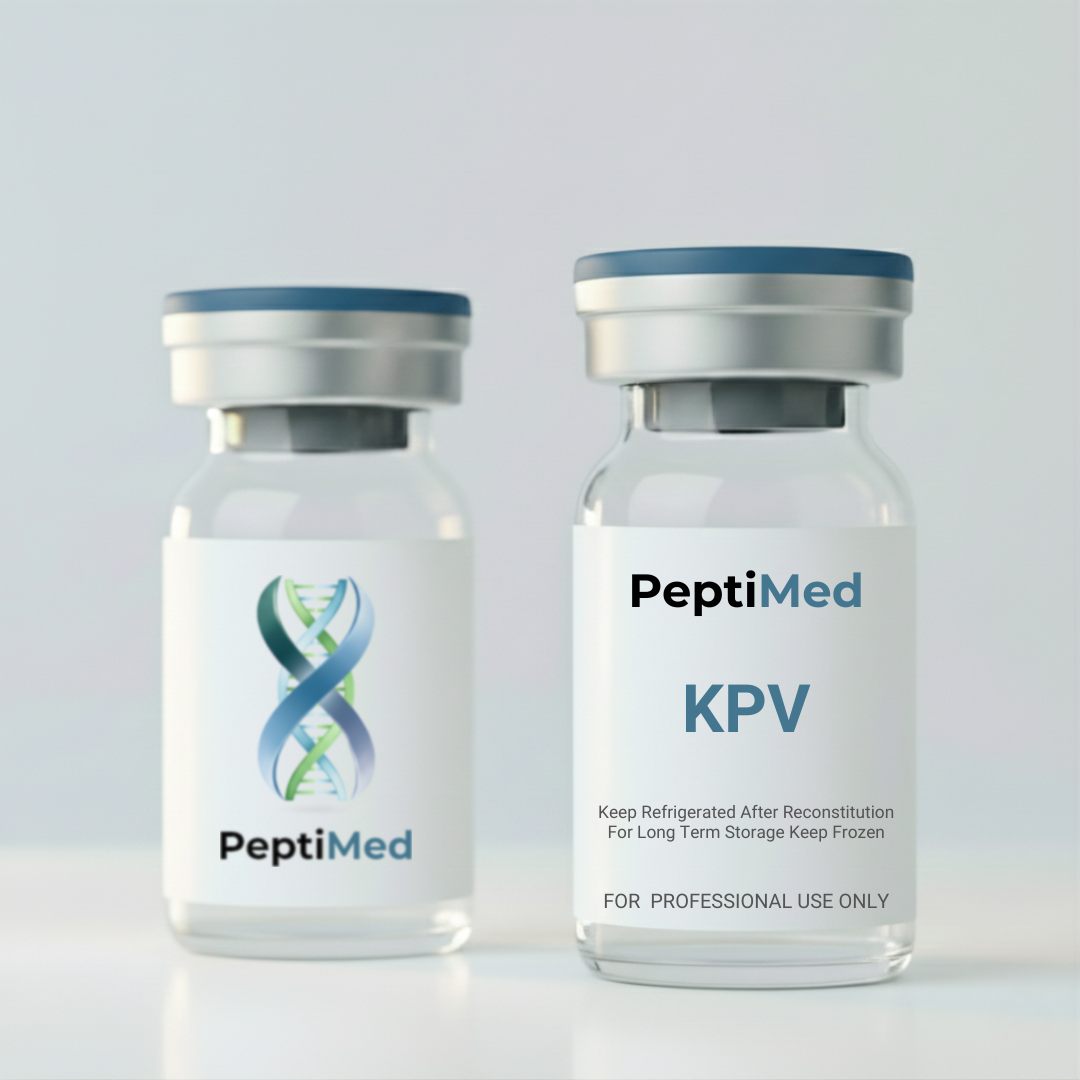
Vial Size: 3ml
Form: Lyophilized Powder
Quantity: 10mg Per Vial
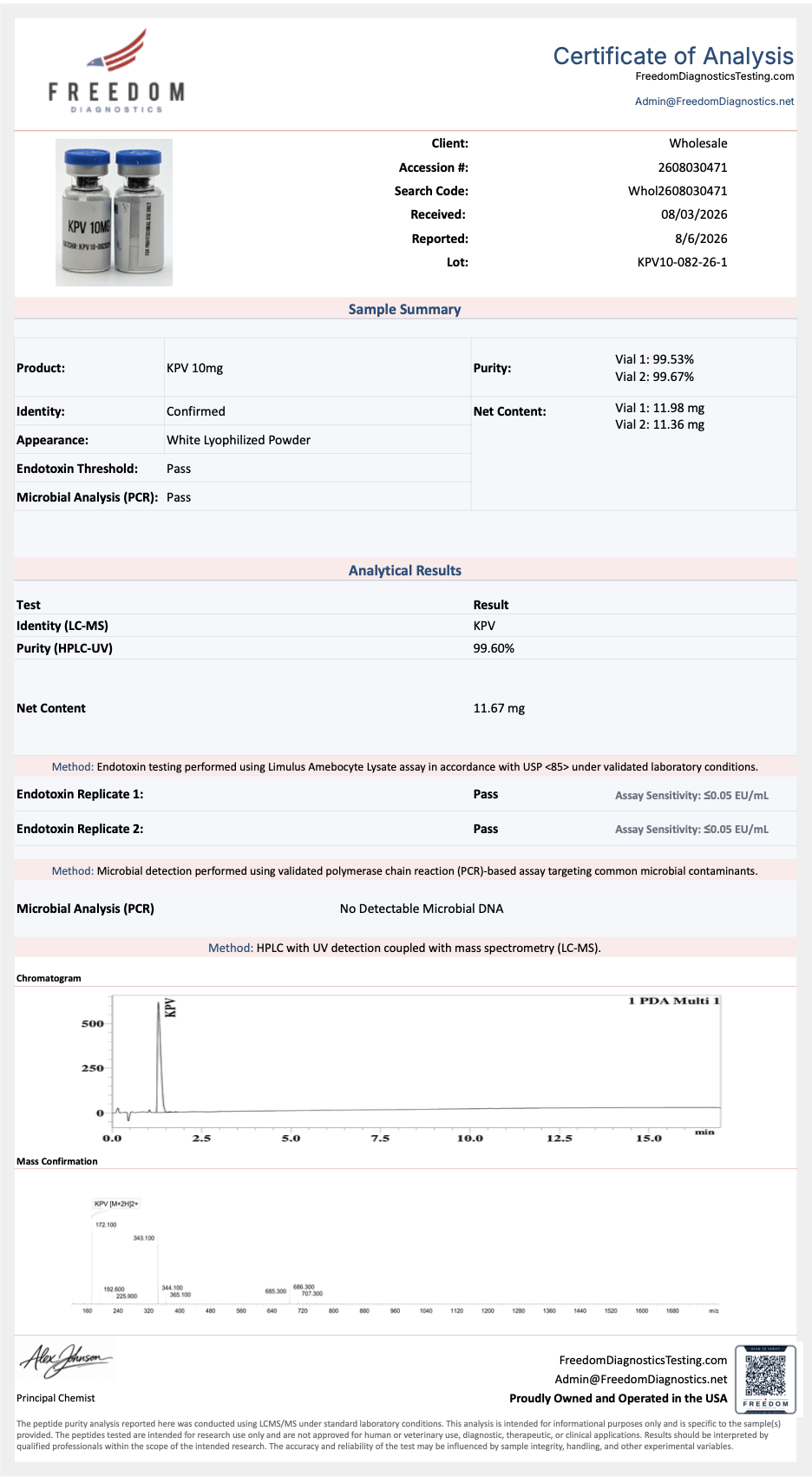
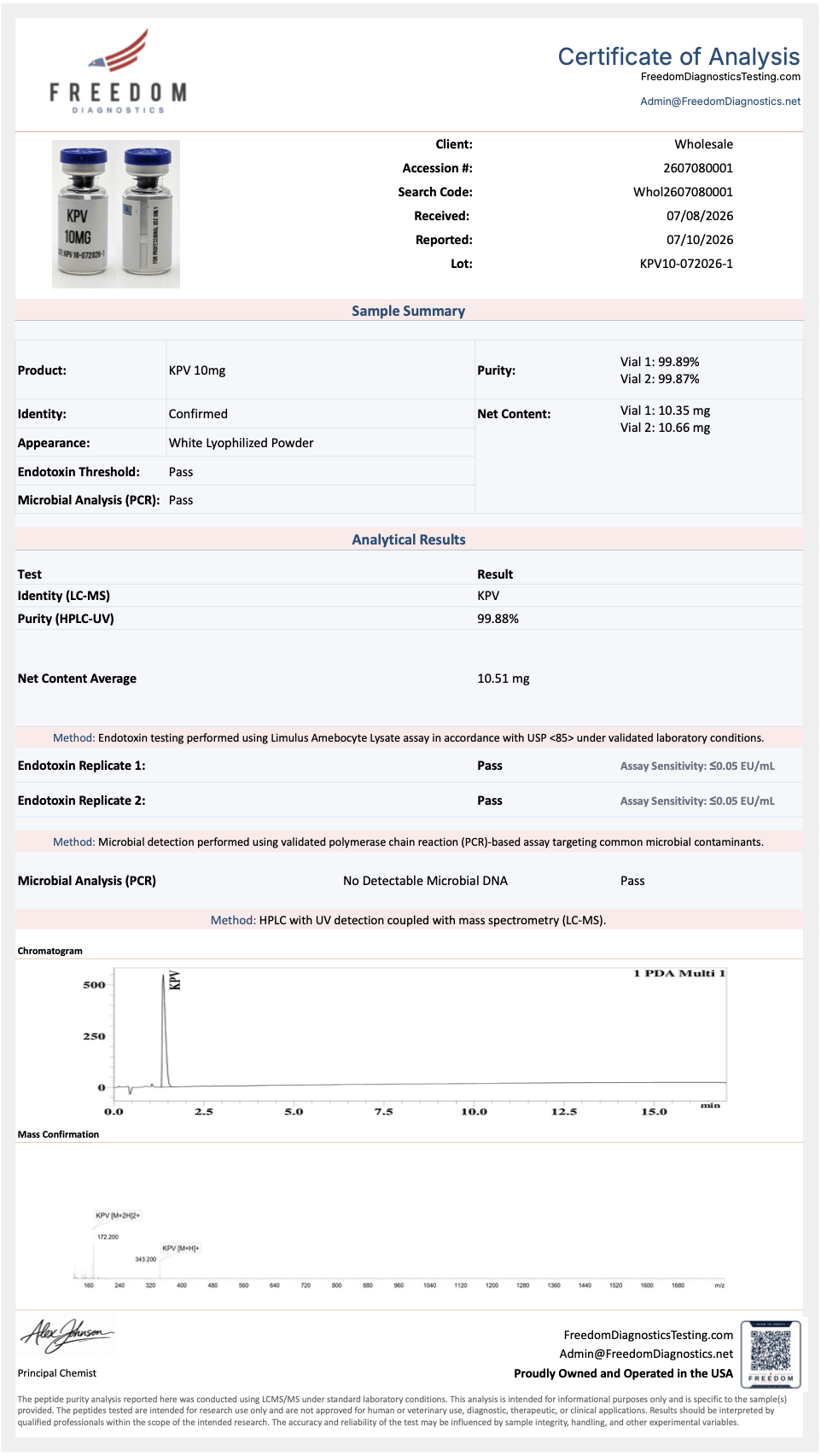
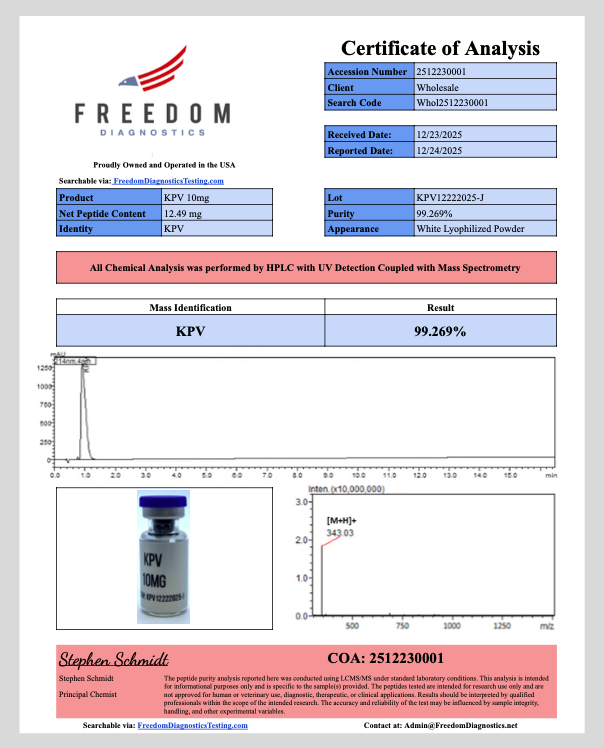
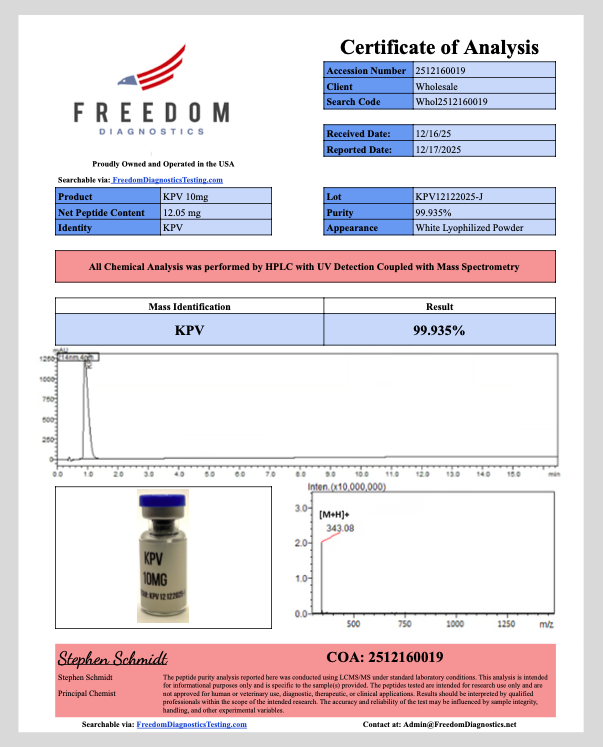
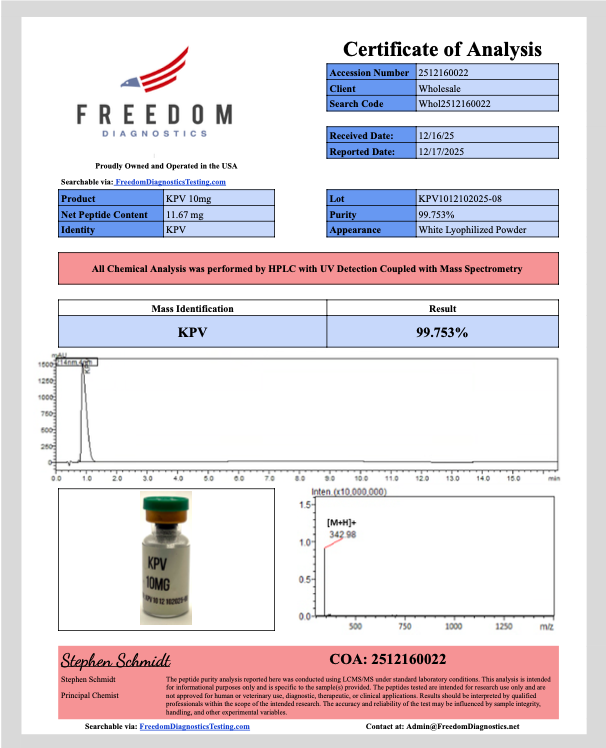
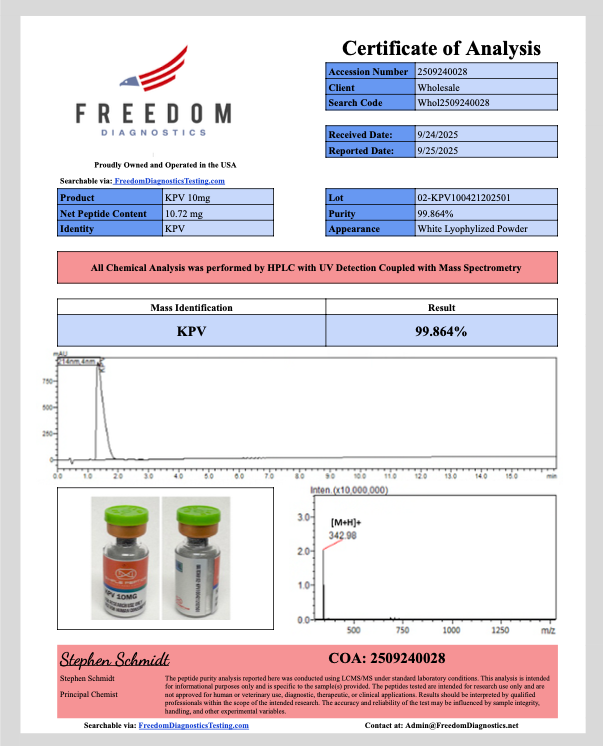
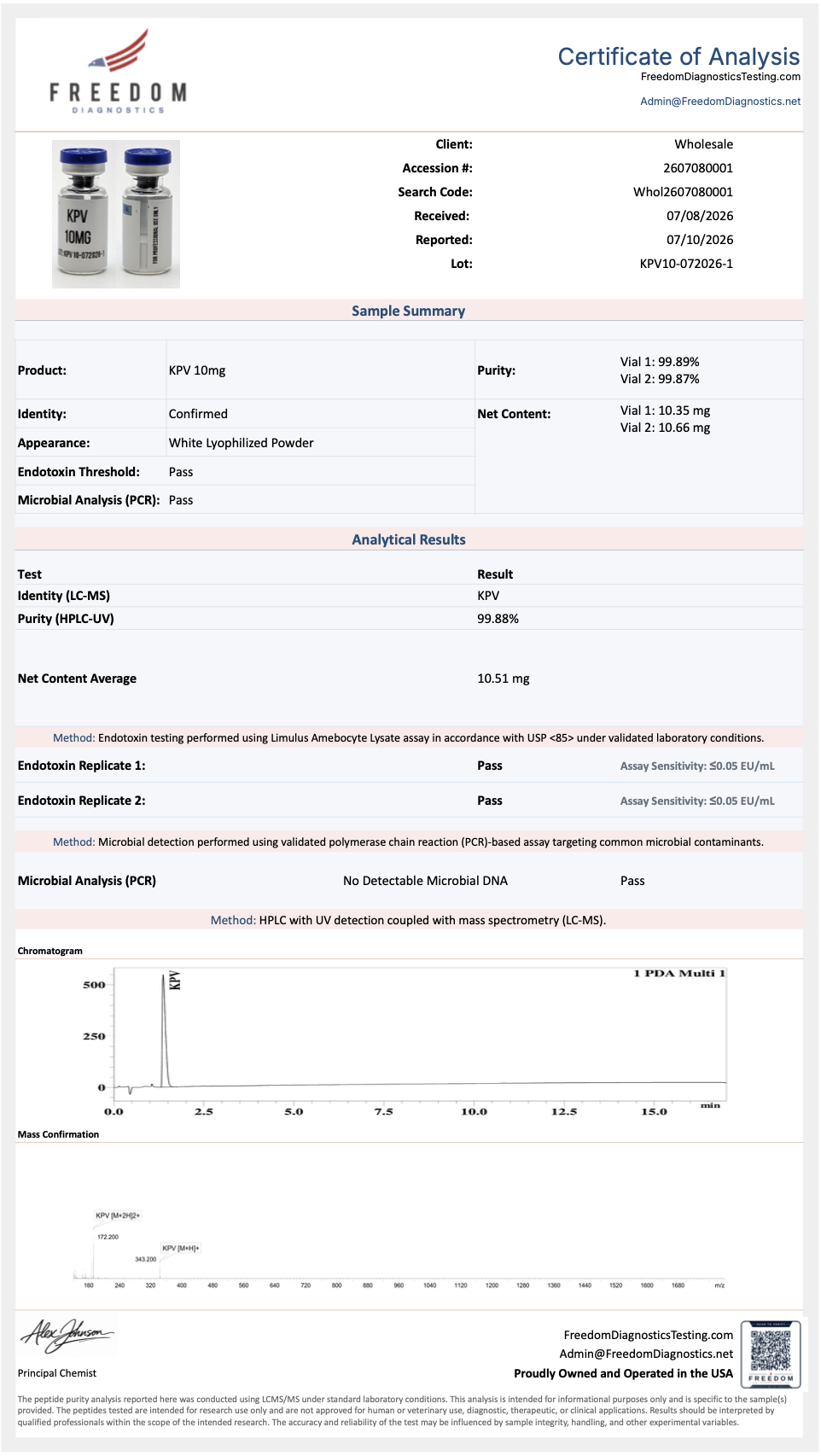
Purity: ≥ 98% (HPLC Verified)


Product Overview

KPV (Lysine–Proline–Valine) is a naturally occurring tripeptide fragment derived from the C-terminal region of α-melanocyte-stimulating hormone (α-MSH). It is widely studied for its potent anti-inflammatory and immunomodulatory effects, particularly within epithelial tissues of the skin and gastrointestinal tract.

Unlike full-length α-MSH, KPV does not stimulate melanogenesis, making it a valuable research peptide for inflammation-focused studies without pigmentary changes. Research shows that KPV can interact with melanocortin receptors—primarily MC1R—to help suppress key pro-inflammatory cytokines such as TNF-α, IL-1β, and IL-6.

This targeted immune-regulating activity makes KPV a prominent candidate in research models involving epithelial repair, mucosal healing, and localized or systemic inflammation.


Intended Applications

  • Research on mucosal inflammation and gastrointestinal epithelial healing

  • Studies involving cytokine suppression and immune-regulation pathways

  • Dermatological inflammation and wound-healing models

  • Investigations into epithelial barrier recovery in skin and GI tissues


Storage & Handling

  • Store lyophilized peptide at –20°C in a sealed, dry, light-protected vial.

  • Reconstitute with sterile bacteriostatic water using aseptic laboratory technique.

  • Store reconstituted solution refrigerated and use within appropriate research timelines.

  • Avoid repeated freeze–thaw cycles.
Professional Use Only - Legal Disclaimer

All PeptiMed products are classified as Professional Use Only (PUO) and are intended exclusively for qualified professionals, licensed facilities, and authorized organizations. These products are not approved by the FDA and are not intended for personal use, consumer use, or unsupervised application.

By purchasing or using PeptiMed products, you confirm that you are a properly licensed professional acting within the scope of your credentials and that you understand all regulatory, safety, and compliance obligations associated with handling these materials. Products must not be sold, supplied, or provided directly to consumers or used outside an appropriate professional environment.

All handling, storage, and use of PeptiMed products are undertaken at your own risk. PeptiMed assumes no responsibility for misuse, improper application, or any clinical, regulatory, or professional consequences resulting from their use.

Labeling Options

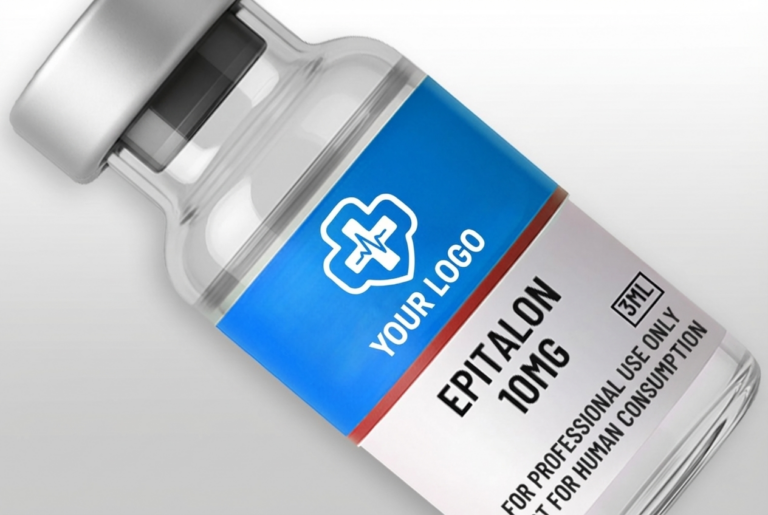
All labeled vials include product details and batch information including a QR Code* to the COA printed on each label

Custom White Label

Custom White-Label

Generic Label

Unlabeled Vial

*QR Codes coming in early 2026